
Charcoal
ZClad Mini Stacked Stone walling slips in blue/grey slate. Panels are 400mm x 100mm with varying thickness of 6-15mm giving a 3D effect.
Slate
A chimney breast is a small area that gets looked at constantly, and firelight is the most flattering light there is for textured stone. These are the darker, more textured products in our range — the ones that hold their character against a lit fire rather than washing out.
ZClad Mini Stacked Stone walling slips in blue/grey slate. Panels are 400mm x 100mm with varying thickness of 6-15mm giving a 3D effect.

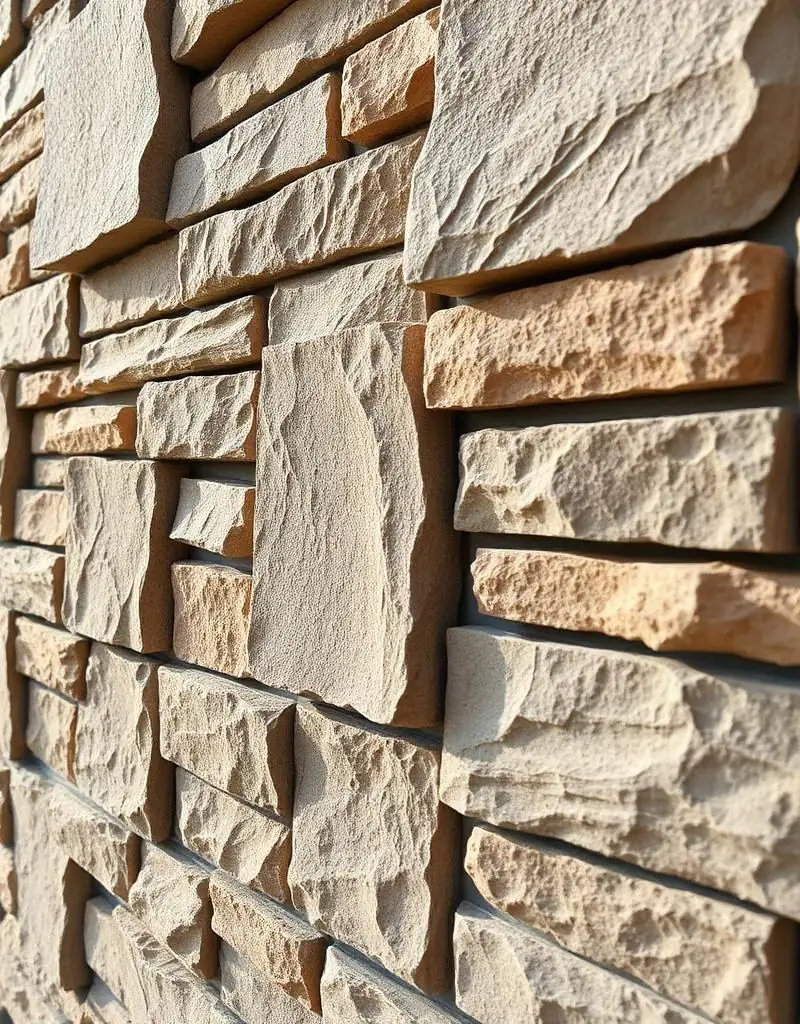
ZClad Mini Stacked Stone walling slips in quartzite stone. Panels slot together and can be cut easily with an angle grinder.

ZClad Mini Stacked Stone in a warm ochre quartzite. Perfect for creating stunning feature walls with natural warmth and texture.

ZClad Mini Stacked Stone with striking blue-grey tones. Creates a modern, contemporary look for interior and exterior applications.

Natural slate cladding panels with a dark colouring. A black natural slate panel with hints of rust add to the stones' rustic appearance. Each piece is made in a 'Z' shape to avoid visible joins, fitting seamlessly together without the need for specialist labour or equipment.

Natural slate with a darker and earthier toned colour palette. A stunning mix of natural slate giving a combination of earthy reds, purples and greys. Each piece is made in a 'Z' shape to avoid visible joins, fitting seamlessly together without the need for specialist labour or equipment.

Thin pieces of natural blue-grey stacked slate. A stunning mix of natural slate giving a combination of traditional deep blues and greys. Each piece is made in a 'Z' shape to avoid visible joins, fitting seamlessly together without the need for specialist labour or equipment.

A natural slate wall cladding with a distinctive green hue and subtle highlights of pyrite. Each piece is made in a 'Z' shape to avoid visible joins, fitting seamlessly together without the need for specialist labour or equipment.
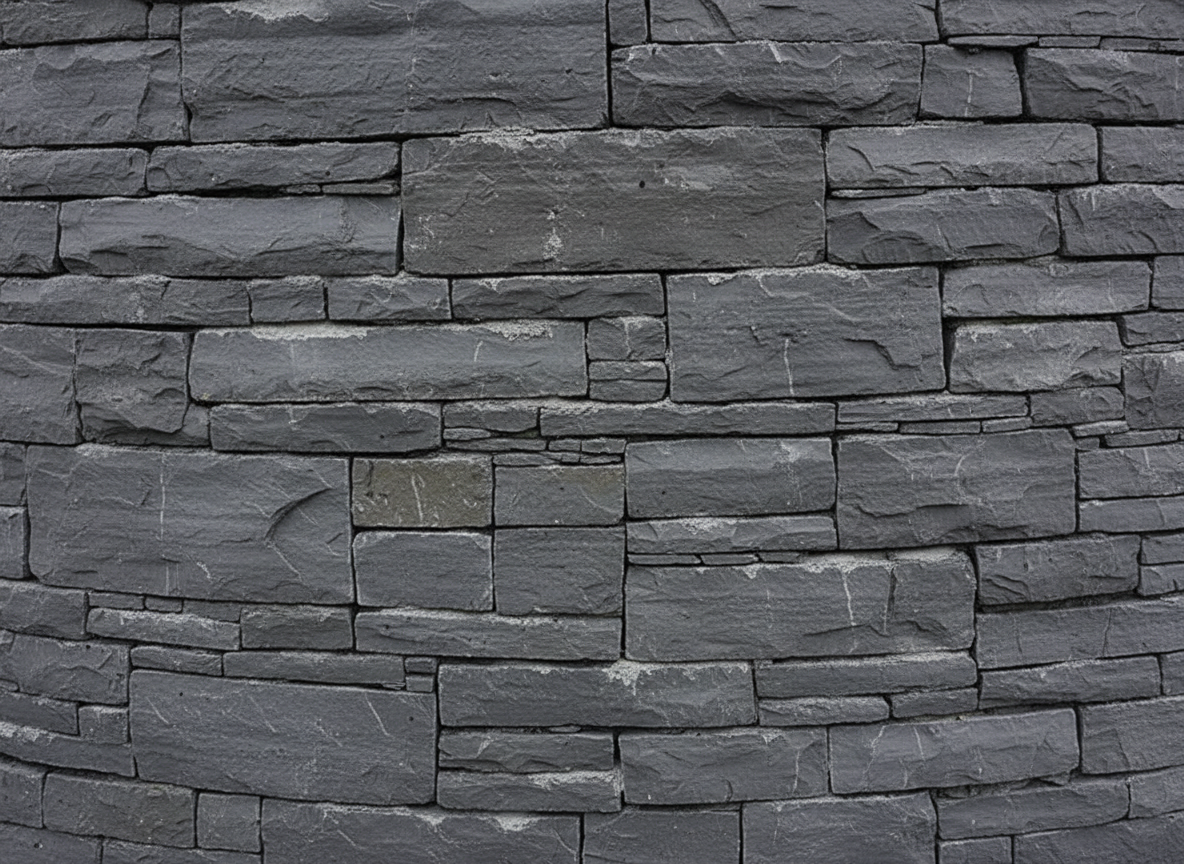
Dark Slate renowned for its striking appearance, cut to 30mm thickness at our production facility in Ireland. Ideal for house facades and feature walls.

Thin pieces of natural slate providing the aesthetic appeal of full-thickness stone walls. Durable and visually appealing finish for both interior and exterior applications.
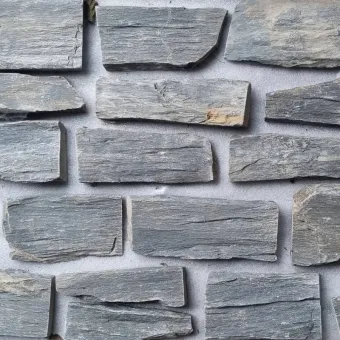
Natural slate stone slips with a dark colouring. A black natural slate stone slip with hints of rust adding to the stones' rustic appearance. All pieces are individual.
Light from a stove or a fire arrives low and from one side, which is the ideal angle for raking across a textured surface. Mini stacked stone, with a face thickness that varies from 6mm to 15mm, throws a shadow on every course under that light. A flat, polished surface in the same position gives you a reflection instead.
That is why the four mini stacked stone colourways head this list, with Charcoal slate the most requested. Valley Slate, Classic and Rustic ZClad bring the same idea in a larger interlocking panel for a full-height breast, and Dark Slate, Slate Cladding Slips and Classic Slips give it in solid stone laid course by course.
This is the one application where the appliance sets the rules, not the cladding. Every stove and fire has a manufacturer's stated distance to combustibles and requirements for non-combustible surfaces around and above it, and those figures take priority over anything on this page. If a stove is being installed, a HETAS registered installer should confirm the build-up before the stone goes on.
The stone itself is quarried slate and quartzite. What sits behind it is the question — the substrate and the adhesive both have to be suitable for the temperatures at that position, and the adhesive manufacturer's guidance governs. Tell us the appliance and the intended layout when you enquire and we will make sure the products we quote are appropriate for the position.
Work from a level line rather than the hearth, which is often out. Return the stone into the reveals at the sides of the breast so the edge of the cladding is never seen end-on, and decide early whether the stone runs the full height to the ceiling or stops at a mantel — a stopped run needs a clean edge detail and looks best with a shelf or a return.
A typical breast of two to three square metres takes five to seven boxes of mini stacked stone plus a cutting allowance, and it is worth dry-laying a square metre first to spread the tonal variation before anything is stuck down.