Stone Cladding for Garden Walls

Cladding a garden wall turns a blockwork boundary or a tired rendered wall into stone without rebuilding it. The products here are the exterior-rated formats with matching corner pieces and, in the slips, the more rustic coursing styles that suit a garden setting.

19 products in this range

Which stones suit a garden

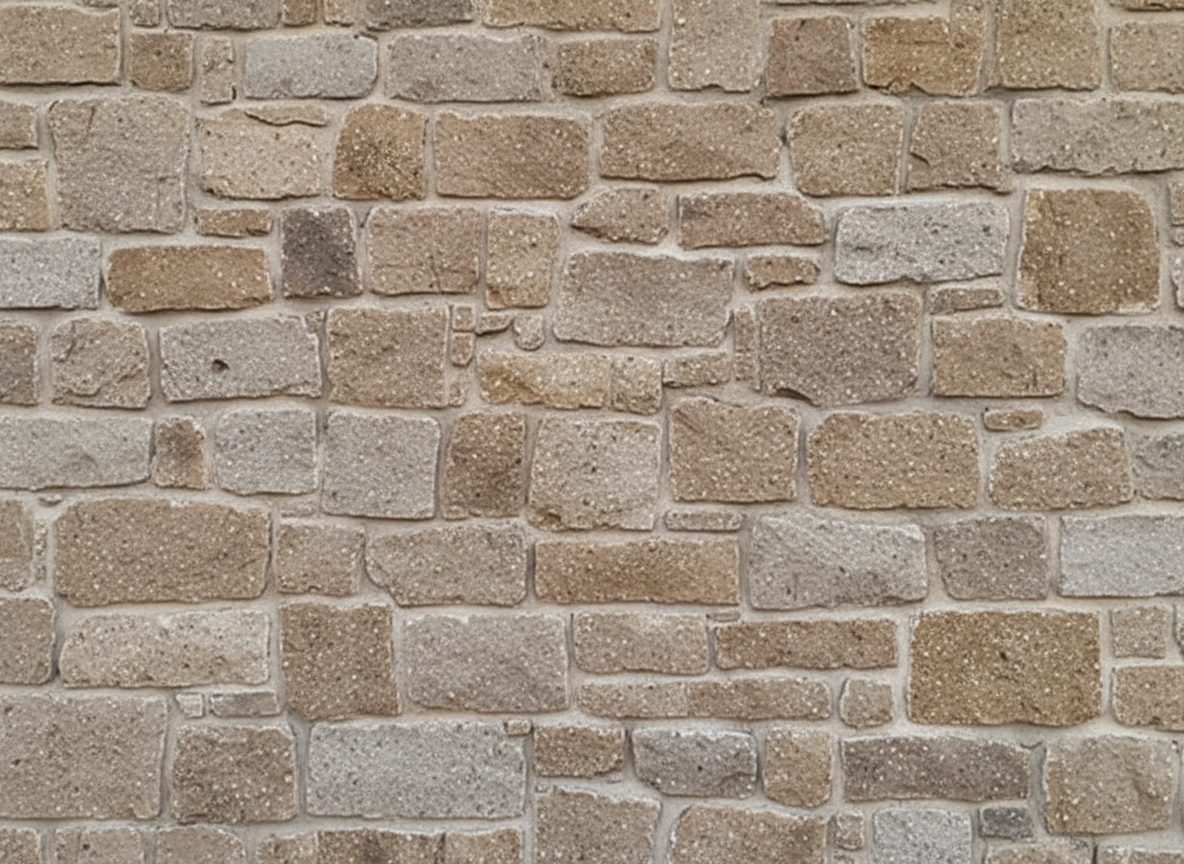
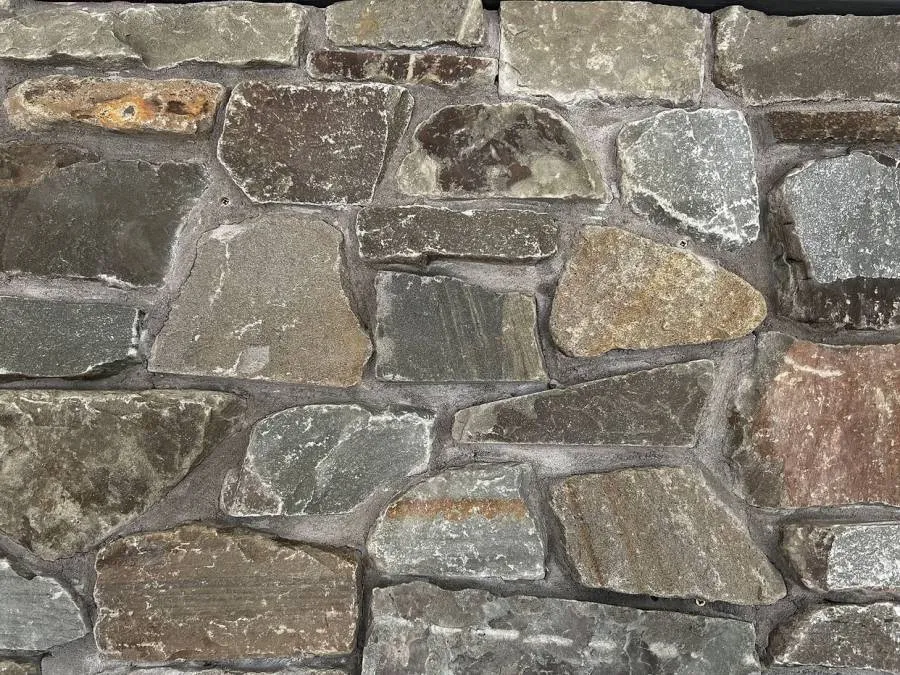
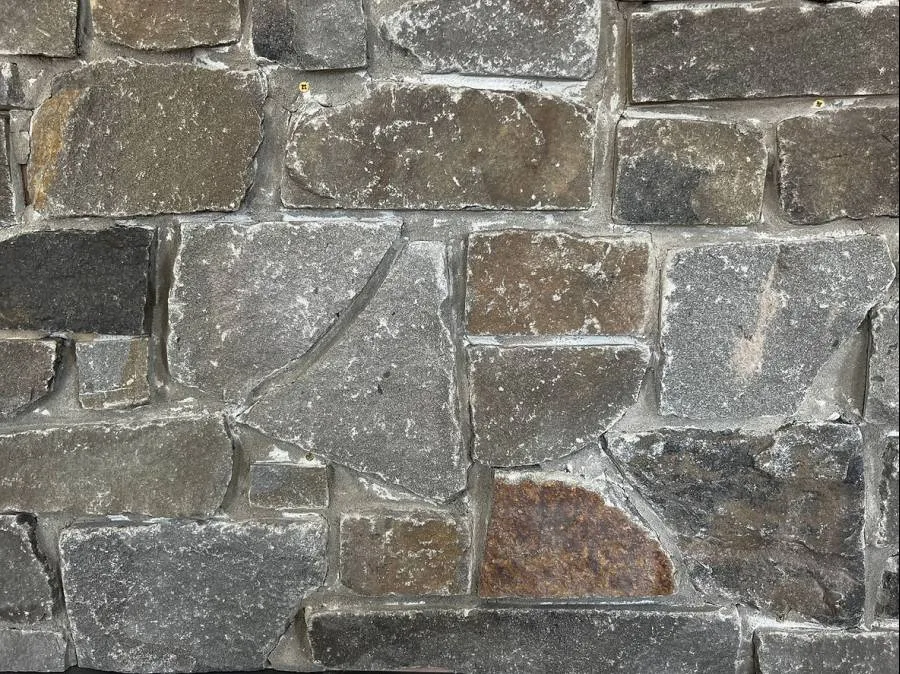
Rustic, varied stones work better in a garden than tightly graded ones, because planting and weather give them context. Callow Sandstone is supplied as an irregular rubble build in reds, browns, pinks and greys. Forest of Dean pennant runs through greens, blues, rustic tones and plum. Great Tew ironstone gives coursed building stone with a dressed face in browns and reddish browns.

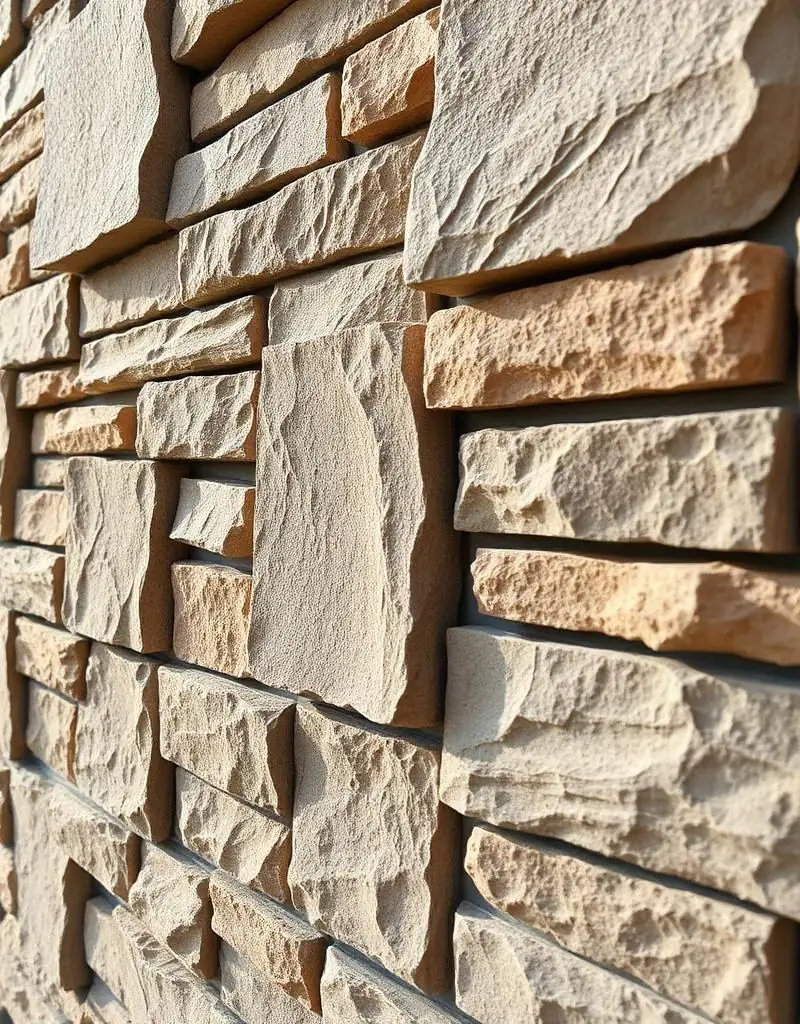
Purbeck Rag and Purbeck Blue bring Dorset limestone in mixed creams, greys, browns and oranges, Grit Stone and Wooton Sandstone give warm golden brown, and Blue Lias adds blue with cream seams. Where the garden is contemporary rather than traditional, the eleven ZClad panels give an even, modern face with a fast install.

Both sides, both ends, and the top

A garden wall is the one place where cladding is seen from all angles, and that changes the order. Most boundary walls need cladding on both faces, both ends returned with corner pieces, and a coping on top — leaving the top of a clad wall open lets water straight in behind the stone, which is the fastest way to spoil the job.

Measure each face separately in square metres, count the external corners in linear metres, and measure the run of coping. Send all three figures and we will quote for the whole wall instead of just the face you were looking at when you called.

Ground level, damp and planting

Keep cladding clear of the ground. Stone taken down into soil or standing water wicks moisture up behind the adhesive line, and a wall clad tight to a border will eventually show it. Stop the stone above ground level with a clear detail at the base and let paving or gravel meet it.

Retaining walls need particular care: water pressure behind a retaining structure has to be drained regardless of what the face is clad in. Tell us what the wall is doing structurally when you enquire, not just how long it is.

  • Boundary and dividing walls in gardens and courtyards
  • Raised beds, planters and low seating walls
  • Outdoor kitchens, bar fronts and BBQ surrounds
  • Gate piers, entrance pillars and driveway walls

Frequently asked questions

Related pages

Get a quotation